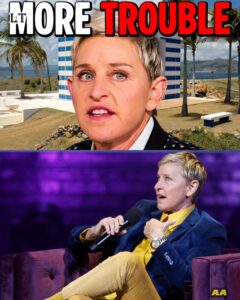

In the glittering yet cutthroat world of Hollywood, few falls from grace have been as dramatic and public as that of Ellen DeGeneres.
Once celebrated as the queen of daytime television, the beaming host of the long-running Ellen DeGeneres Show built an empire on messages of kindness, laughter, and positivity.
But behind the infectious dance moves and generous giveaways, dark allegations of a toxic workplace, bullying, and power abuse began to surface, shattering her carefully crafted image and sending shockwaves through the entertainment industry.

Now, years later, resurfaced stories, viral discussions, and renewed online pressure are fueling intense speculation that Ellen may finally face real accountability for the controversies that contributed to the end of her show.
Adding fresh fuel to the fire is the lingering connection to fellow television personality Wendy Williams, whose past comments and perceived tensions with Ellen have once again thrust both names into the trending spotlight.
The saga erupted in the summer of 2020 when BuzzFeed News published explosive reports featuring testimonies from former employees.
They described a workplace environment riddled with fear, intimidation, racism, and sexual misconduct allegedly perpetrated by top producers.
Staff claimed they faced retaliation for speaking up, were penalized for taking medical leave, and witnessed a stark contrast between the show’s public “be kind” mantra and the harsh reality backstage.
While Ellen herself was not directly accused of every incident, many pointed to a culture enabled by her name and brand.
The revelations led to a WarnerMedia internal investigation, the firing of three executive producers, and a significant ratings plunge as viewers began tuning out.
Ellen addressed the scandal in a heartfelt letter to staff and later on air, taking responsibility for the show’s overall culture while insisting she was unaware of the worst behaviors.
She promised sweeping changes, a new chapter, and a renewed commitment to kindness.
For a while, it seemed the storm might pass.
The show continued for two more seasons before Ellen announced its end in 2022 after 19 years.
In her final episodes, she reflected on the journey with a mix of emotion and defiance.
Yet the damage to her reputation proved lasting.
Public trust eroded, brands distanced themselves, and the once-untouchable star found herself increasingly isolated in the industry she helped define.
What makes the current resurgence so compelling is the way old wounds refuse to heal.
Social media platforms are once again flooded with clips of former staff interviews, critical commentary, and calls for deeper accountability.
Many viewers question whether the apologies were genuine or merely damage control.
The conversation has broadened into larger discussions about power dynamics in Hollywood, the treatment of employees in high-pressure entertainment environments, and the gap between celebrity personas and private realities.
Enter Wendy Williams.
The outspoken former host of The Wendy Williams Show had her own complicated history with Ellen.
Over the years, subtle shade and pointed comments kept fans speculating about underlying tension.
When Ellen announced the end of her show, Wendy did not hold back, suggesting on air that television ultimately “exposes you for the person that you really are.
” Many interpreted her remarks as direct commentary on the toxic workplace scandal, implying that Ellen’s departure was less about choice and more about consequences.
Old footage of Wendy appearing as a guest on Ellen’s show has been recirculated, with fans analyzing body language and interactions for clues about their relationship.
This renewed focus on the Ellen-Wendy dynamic has turned the story into a full-blown celebrity saga.
Supporters of Wendy see her as a truth-teller who navigated her own challenges in the industry, while Ellen’s defenders argue she was unfairly targeted and has already paid a steep professional price.
The debate rages across comment sections, with millions weighing in on issues of forgiveness, redemption, and justice in the public eye.
Some call for boycotts or further investigations, while others believe it is time to move on from past controversies.
The broader context reveals much about the evolving entertainment landscape.
Daytime television, once a reliable source of feel-good content, has become a battleground for cultural and personal reckonings.
High-profile hosts wield enormous influence, but they also operate under intense scrutiny.
Ellen’s journey from groundbreaking comedian who came out on television in the 1990s to beloved talk show host and then to embattled figure mirrors the volatile nature of fame in the social media age.
Her generous philanthropy, successful production company, and trailblazing role as an openly gay star in mainstream media add layers of complexity to the narrative.
Yet the human cost behind the headlines cannot be ignored.
Former employees described anxiety, tears, and a pervasive atmosphere of fear that clashed dramatically with the joyful atmosphere presented to audiences.
Producers who were let go faced their own public scrutiny.
Ellen herself spoke in later interviews and stand-up routines about feeling “kicked out of show business,” reflecting on the personal toll of the scandal.
These raw admissions have done little to quell the ongoing public fascination and division.
As new generations discover the story through viral TikToks and YouTube deep dives, the Ellen controversy continues to evolve.
It raises uncomfortable questions about accountability in an industry built on image and access.
Should a public figure be permanently defined by the worst moments of their career? Or does genuine change and time warrant forgiveness? The involvement of Wendy Williams’ name adds another dimension, highlighting how rivalries, shade, and perceived slights become part of the larger entertainment mythology.
Industry insiders suggest the lasting impact on Ellen’s career is evident.
While she has stepped back from daily television, occasional Netflix specials and public appearances keep her in the conversation.
Each resurgence of the scandal reignites debates about whether true accountability has been achieved or if powerful figures can simply retreat and rebrand.
For many, the story serves as a cautionary tale about the responsibilities that come with immense success and visibility.
The drama also spotlights the mental health and personal struggles faced by those in the spotlight.
Wendy Williams has dealt with significant health challenges and a very public life, making her commentary on Ellen even more layered.
Fans find themselves torn between admiration for both women’s accomplishments and disappointment in the industry systems that often pit personalities against each other.
Ultimately, the Ellen DeGeneres story is far from over.
As long as clips circulate and new voices emerge, the public will continue demanding answers, context, and perhaps closure.
Whether this latest wave of discussion leads to meaningful consequences or simply fades into the next celebrity cycle remains to be seen.
What is certain is that the tale of kindness, power, betrayal, and redemption has captivated audiences because it touches on universal themes far bigger than any single talk show.
In the end, the entertainment world loves a comeback story almost as much as it loves a downfall.
Ellen’s journey reminds us that fame is fleeting and fragile, built on public perception that can shift overnight.
As the online conversation intensifies once more, one thing is clear: the full truth behind the smiles, the scandals, and the silences may never be completely known, but the fascination with what really happened continues to draw millions into the drama.
The question lingers – will true accountability ever be fully served, or will this remain another Hollywood story of image versus reality?