
Ricky Gervais’ Viral Golden Globes Joke Resurfaces as New Epstein Discussions Flood Social Media
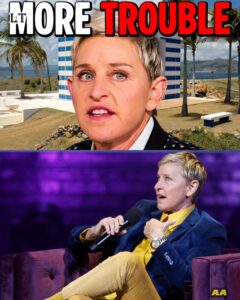
For years, Ellen DeGeneres built one of the most recognizable brands in entertainment. Her image was simple, powerful, and incredibly profitable: kindness.
Daytime television audiences embraced the smiling talk show host who danced through studio aisles, surprised fans with gifts, promoted positivity, and turned “Be Kind” into a global slogan.
But in the last few years, that carefully crafted image has taken serious damage. First came the workplace allegations that shook Hollywood in 2020.
Former employees from The Ellen DeGeneres Show described an environment they claimed felt toxic behind the scenes.
Reports accused senior producers of intimidation, fear-based management, discrimination, and behavior that sharply contradicted the cheerful atmosphere viewers saw on television every day.
The controversy became one of the biggest celebrity scandals of the year. WarnerMedia launched an internal investigation.
Ellen publicly apologized to staff. Major headlines questioned whether the public persona audiences had trusted for nearly two decades was real or simply another Hollywood performance.
Then the internet took things much further. As Jeffrey Epstein-related documents, court records, and investigative files continued surfacing online, social media users began connecting famous names, celebrity appearances, and old Hollywood moments into increasingly dark theories.
One of the names repeatedly discussed online was Ellen DeGeneres. It is important to separate documented facts from speculation.
Ellen’s name reportedly appeared within broader Epstein-related records and indexes involving hundreds of public figures, celebrities, business executives, politicians, and associates.
However, appearing in investigative material or contact records does not automatically imply criminal wrongdoing. That distinction has not stopped internet speculation from spreading.
Across YouTube, TikTok, Reddit, and X, creators began revisiting old interviews, award show moments, celebrity friendships, and strange Hollywood stories through an entirely new lens.
Suddenly, moments that once seemed harmless became “evidence” in the eyes of online investigators searching for hidden meanings.
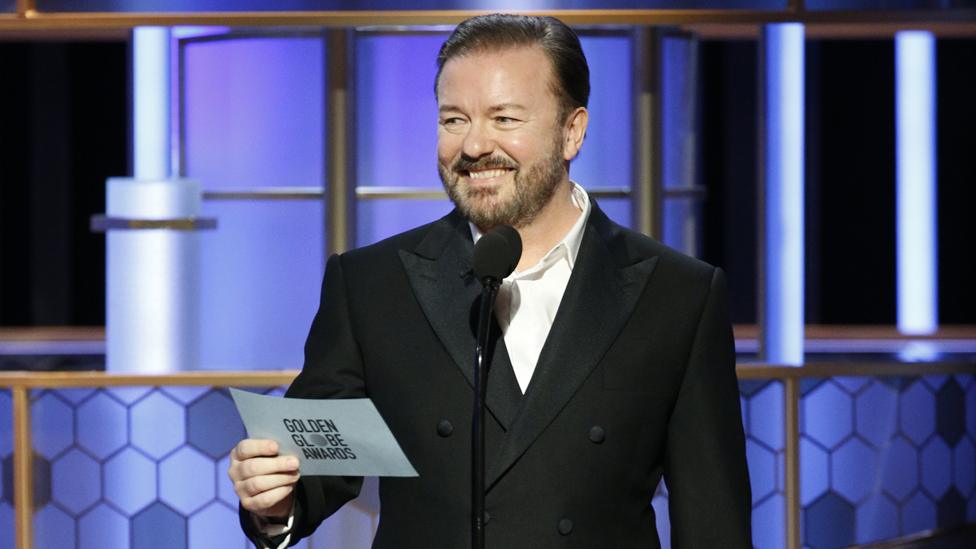
One of the biggest clips to resurface was Ricky Gervais’ 2020 Golden Globes monologue. Walking onto the stage with a beer in his hand, Gervais mocked Hollywood hypocrisy in front of an audience filled with the entertainment industry’s most powerful figures.
During the speech, he referenced Jeffrey Epstein while warning celebrities not to lecture ordinary people about morality.
The room reacted with visible discomfort. That awkward silence has since become internet legend. Years later, clips from the monologue continue spreading online, with many viewers claiming Gervais was exposing truths Hollywood insiders wanted buried.
Others argue he was simply doing what comedians have always done: making provocative jokes about major news stories.
Regardless of interpretation, the speech aged in a way few people expected. As Epstein-related conversations continued dominating online culture, every resurfaced clip seemed to gain new meaning.
At the same time, internet communities started examining bizarre phrases found inside some Epstein-related communications and emails.
Terms involving food, coded language, and unusual wording triggered endless theories online. None of those interpretations have been officially confirmed by investigators, but they became central to viral speculation.
That is where Ellen’s old Oscars pizza moment unexpectedly returned to public discussion. During the 2014 Academy Awards, Ellen famously ordered pizza for celebrities sitting in the front rows.
At the time, audiences viewed it as a funny and spontaneous television moment. Years later, conspiracy-focused communities began revisiting the clip alongside discussions about alleged coded language in Epstein-related communications.
Critics called it suspicious. Supporters called the theories absurd. And somewhere in the middle, millions of people kept watching.
What makes stories like this spread so rapidly online is the mixture of reality and uncertainty.
The Epstein case itself remains one of the most disturbing scandals involving powerful elites in modern history.
Billionaires, politicians, celebrities, royals, academics, and business executives all became part of a story involving hidden relationships, private flights, sealed records, and unanswered questions.
Because so many details remain heavily debated or partially redacted, online speculation thrives in the empty spaces between confirmed facts.
That uncertainty has fueled massive public distrust toward institutions, celebrity culture, and mainstream media. For many people, the Ellen controversy became symbolic of something larger than one television host.
It became part of a growing belief that Hollywood carefully manufactures public images while hiding much darker realities behind closed doors.
The workplace allegations only intensified that perception. Former staffers claimed there was a major disconnect between the “Be Kind” branding and the environment employees experienced internally.
Stories surfaced alleging workers felt afraid of speaking openly, worried about retaliation, or pressured to maintain silence.
Whether fairly or unfairly, those accusations permanently changed public perception. Once audiences begin questioning authenticity, every past moment suddenly looks different.
Then came another layer of controversy. In 2022, two individuals connected to Ellen DeGeneres passed away within months of each other: actress Anne Heche, Ellen’s former partner, and Stephen “tWitch” Boss, the beloved DJ and executive producer closely associated with The Ellen DeGeneres Show.
Both tragedies shocked fans worldwide. Importantly, there is no verified evidence connecting either death to Epstein-related claims or conspiracy theories involving Ellen DeGeneres.
Still, social media quickly merged those events into broader internet narratives. That is how modern viral culture operates.
Patterns become theories. Coincidences become “proof.” And emotional reactions often spread faster than verified information.
Some online creators argued the timing felt suspicious. Others strongly criticized those claims, calling them irresponsible exploitation of personal tragedy.
The result was another massive wave of debate that blurred the line between investigation, entertainment, rumor, and conspiracy.
Meanwhile, broader conversations surrounding Epstein continued evolving. Public frustration grew over sealed files, missing records, heavily redacted documents, and unanswered questions involving elite connections.
Many Americans became convinced powerful individuals were being protected. Political arguments intensified the issue even further.
Both conservative and liberal commentators accused institutions of hiding information. High-profile media personalities discussed the possibility of undisclosed relationships involving major public figures.
Each new document release reignited online chaos. And every celebrity name mentioned anywhere near the case immediately triggered viral headlines.
Ellen DeGeneres was far from the only celebrity caught in that storm. Numerous public figures have faced online scrutiny simply because their names appeared in broader records, social circles, photographs, or historical connections tied indirectly to Epstein’s world.
That distinction is often lost online. The internet rewards outrage. Algorithms reward controversy. And emotionally charged narratives travel much faster than careful legal nuance.
This is part of why Ricky Gervais’ old monologue continues spreading years later. To many viewers, it represents a rare moment where someone publicly challenged Hollywood’s moral image directly to its face.
Whether he possessed inside knowledge or was simply mocking celebrity culture remains impossible to prove.
But the clip became symbolic. It represented public frustration with elites, media narratives, and carefully managed reputations.
The timing also mattered. The Golden Globes speech happened before many of the workplace allegations against Ellen became mainstream headlines.
Looking back now, internet users treat the clip almost like a warning sign. That retrospective interpretation helped transform a comedy monologue into viral mythology.
And mythology spreads powerfully online. Even today, social media remains flooded with videos analyzing celebrity facial expressions during the speech, audience reactions, awkward laughter, and moments of silence.
Millions of viewers continue debating whether Hollywood insiders were nervous because the jokes felt too close to reality.
Others argue people are projecting meaning onto ordinary reactions. The truth likely depends on who is watching.
At the center of it all remains one uncomfortable reality: public trust in celebrity culture has changed dramatically.
Audiences no longer automatically believe polished public images. Scandals involving producers, executives, billionaires, musicians, politicians, and media personalities have created widespread skepticism toward institutions that once seemed untouchable.
In that environment, even rumors gain enormous traction. For Ellen DeGeneres, the damage may already be permanent regardless of whether any additional information ever emerges.
Her daytime empire ended under the shadow of controversy. The “Be Kind” slogan that once defined her career is now frequently used sarcastically online.
And every new Epstein-related discussion pulls her name back into viral headlines. At the same time, critics warn that internet culture increasingly treats speculation as fact.
Legal experts, journalists, and investigators continue emphasizing that appearing in documents or social circles does not prove criminal behavior.
That caution is important. The Epstein scandal involved enormous networks of influence, wealth, and proximity.
Many people crossed paths with Epstein socially or professionally without facing accusations of criminal conduct.
Still, because the public feels many questions remain unanswered, online theories continue growing. That tension between documented evidence and internet suspicion is what keeps this story alive.
Every new file release creates another cycle. Every resurfaced celebrity clip becomes another clue. Every silence becomes suspicious.
And every unanswered question invites another theory. For now, Ellen DeGeneres remains caught directly in the middle of that storm.
Some people believe she became unfairly targeted by conspiracy-driven internet culture. Others believe the public has only begun uncovering how carefully Hollywood protected powerful figures for decades.
The reality may be far less dramatic than the internet imagines. Or future revelations could completely reshape public understanding once again.
That uncertainty is exactly why millions of people continue following every update, every leaked document, every resurfaced interview, and every old celebrity moment tied to the Epstein story.
Because in modern Hollywood, perception can collapse overnight. And once the public starts questioning the performance behind the image, the illusion becomes very difficult to rebuild.